


Understanding the psychology that drives gambling behavior in casinos
The Thrill of Uncertainty
The unpredictable nature of gambling is a key driver behind many individuals’ attraction to casinos. The adrenaline rush associated with the possibility of winning creates a compelling experience that keeps players engaged. This sense of uncertainty taps into a fundamental aspect of human psychology, where the excitement of not knowing the outcome enhances emotional involvement. Many find the experience of playing games at casinos to be exhilarating, especially when they explore options like best online poker real money.
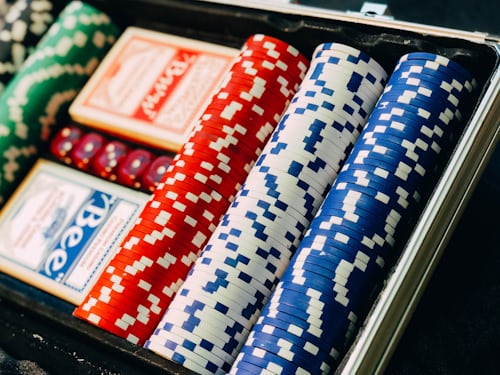
Moreover, this unpredictability is often coupled with the allure of large payouts. The possibility of hitting a jackpot can lead to heightened anticipation and emotional highs, which further entices gamblers. These psychological factors create a unique environment in casinos that encourages repeat visits, as players chase the exhilarating feeling of potential victory.
The Role of Environment in Gambling Behavior
Casinos are meticulously designed to create an atmosphere that enhances the gambling experience. From the layout to the lighting and sounds, every element is crafted to promote extended play. Bright lights, loud noises, and the strategic placement of games all serve to stimulate players, making them more likely to engage in gambling activities.
Additionally, the lack of clocks and windows in many casinos helps to create a timeless environment. This design choice is intentional, as it encourages players to lose track of time and continue gambling longer than they might have originally planned. This immersive experience not only captivates players but also significantly influences their gambling behavior.
Cognitive Biases and Gambling
Cognitive biases play a significant role in how individuals perceive their chances of winning in gambling situations. Many gamblers experience the illusion of control, believing they can influence outcomes through skill or strategy, even in games largely driven by chance. This misconception can lead to persistent gambling behavior, as players often convince themselves that a win is just around the corner.
Another common cognitive bias is the gambler’s fallacy, where individuals believe that past events can influence future outcomes. For instance, a player may think that because a slot machine hasn’t paid out in a while, it is “due” for a win. These biases shape the way gamblers approach their gaming experiences, leading to continued play and increased financial risk.
Social Influences on Gambling
Social dynamics also play a crucial role in gambling behavior. Many individuals are drawn to casinos because they are social environments where people can gather and share experiences. The communal aspect of gambling can amplify excitement, as players cheer each other on and celebrate wins together, which fosters a sense of belonging.
Peer influence can also drive gambling behavior. When friends or family members engage in gambling, individuals are more likely to participate as well. This social pressure can lead to increased spending and gambling frequency, as individuals seek to fit in or keep up with their peers. Understanding these social dynamics is essential for recognizing the psychological factors that contribute to gambling behavior.
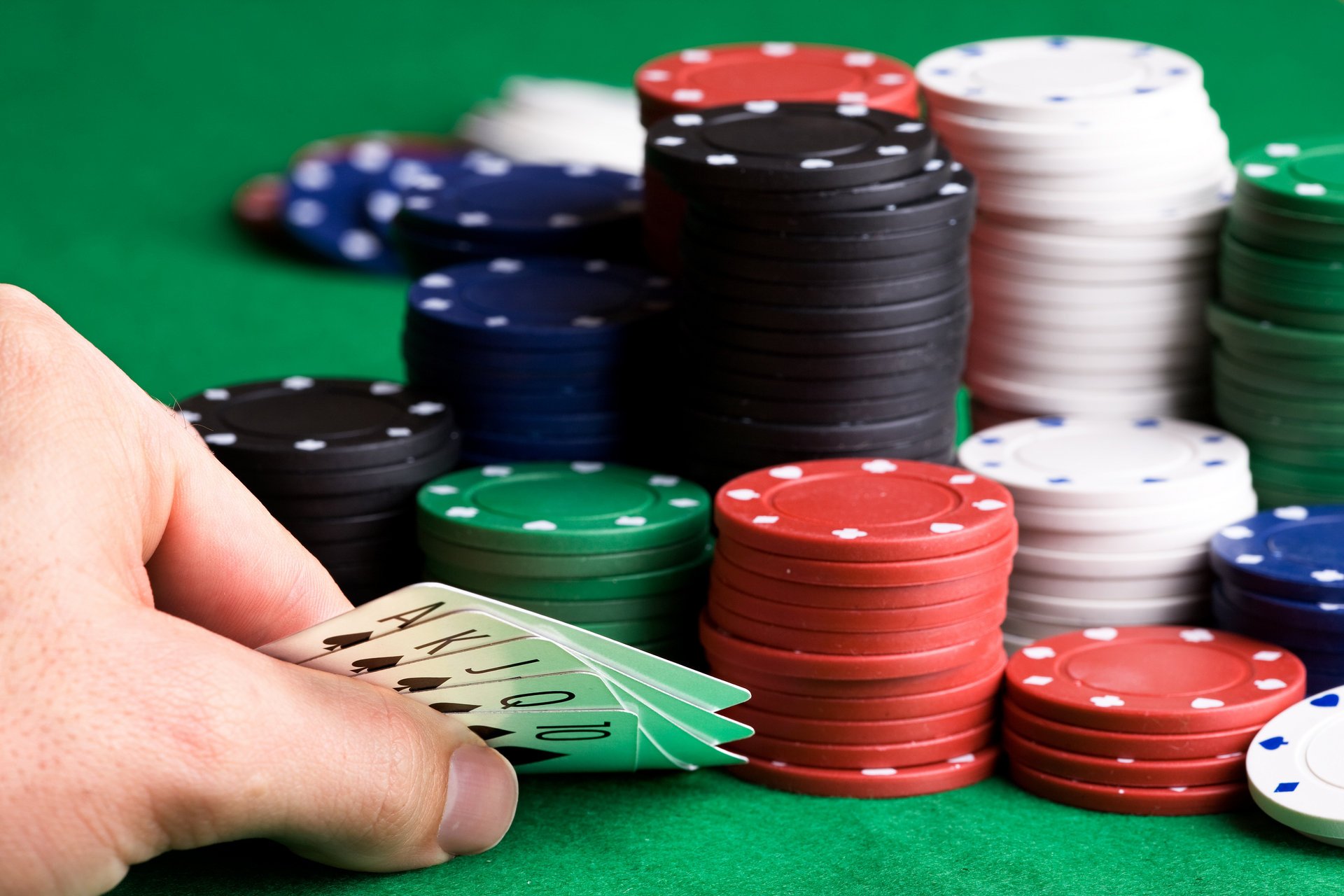
Your Resource for Understanding Gambling Behavior
Our website is dedicated to exploring the intricate psychology behind gambling behavior in casinos. We provide valuable insights and information to help individuals understand the mental and emotional factors that influence their gambling experiences. Whether you are a casual player or a seasoned gambler, our resources aim to foster awareness and informed decision-making.
Through in-depth articles and expert analysis, we seek to empower our readers with knowledge about the psychological elements of gambling. By understanding these driving forces, individuals can better navigate their experiences in casinos and approach gambling with greater awareness and responsibility.